The first time I tried Prosciutto di Parma, I took it straight out of the fridge. I peeled off a cold, stiff slice and thought, “This is it? Tastes like jerky.”
Then a friend told me: let it warm up for 15 minutes. I tried again, and something magical happened. The fat turned translucent. The texture went from jerky to buttery. And there was this complex, nutty flavor I hadn’t noticed before.

That’s why in Emilia-Romagna, people spend over 18 months turning a simple pig’s leg into one of Italy’s most famous delicacies. This is Prosciutto di Parma — no smoke, no additives. Just pork, sea salt, time, and the unique taste of its homeland. Carrying centuries of handcrafted tradition.
What exactly is Prosciutto di Parma?
In short, it’s a dry-cured ham that can only come from the Parma province of Italy. That’s not just marketing — it has a special status called DOP (Denominazione di Origine Protetta). Basically, if it wasn’t made in this specific region using their traditional methods, they can’t legally call it Prosciutto di Parma. You’ll know it’s real when you see the five-pointed ducal crown branded right on the leg.
One thing that surprised me: unlike the cooked ham I grew up eating, this stuff is made with almost nothing else. Just pork, sea salt, and time. No smoking, no preservatives, no weird additives. That’s it. The unique climate of Parma does the rest.
How did this whole thing start?

Believe it or not, people in Parma have been curing pork for over 2,000 years. Even Roman writers like Cato the Elder wrote about it — they were salting and air-drying pork legs back then.
The geography here is perfect for it. Parma sits between the Po Valley and the Apennine Mountains, so cool, dry mountain air flows down and dries the meat slowly over months. No special machines needed. Just nature doing its job.
By the Middle Ages, Parma ham was already famous across Europe. Nobles wanted it. Traders carried it along ancient routes. And in 1963, they set up the Consorzio del Prosciutto di Parma — basically an official group that protects the name and makes sure every ham with that crown logo meets the same high standards. No cheating allowed.
What kind of pigs?
Not just any pig. They use specific breeds — Large White, Landrace, and Duroc. These pigs are born and raised in 11 designated regions of Italy. And here’s something interesting: their diet includes whey from Parmigiano-Reggiano production. Yes, the same cheese. So in a way, the ham and the cheese are cousins. The pigs need to be at least 9 months old and weigh around 160kg before slaughter.
How it’s made (simplified)
I won’t bore you with every detail, but here’s the short version:
- Salting: They rub the fresh leg with sea salt and let it sit in a fridge for weeks.
- Resting: They wash off the salt and let the leg rest to allow even distribution.
- Sugnatura: They apply a mixture of lard, salt, and pepper on the exposed meat to stop it from drying out too fast.
- The waiting game: The legs hang in ventilated rooms for at least 12 months, but usually 18 to 24 months or even longer.
The crazy part: the inspection
Here’s something I found fascinating. After all that aging, each single leg gets inspected by a person from the Consorzio. They use a needle made from horse bone (no kidding), insert it into five specific spots, and smell it. That’s how they decide if it passes. Only the ones that pass get the fire-branded Parma crown.
What it actually tastes like
Forget the fancy descriptions. Here’s what I noticed:
- The color is this deep rose-pink with white fat running through it
- The texture? Silky. Buttery. It literally melts on your tongue.
- The flavor is sweet and delicate, with a little nuttiness — not overly salty at all.
- And don’t trim off that white fat. That’s where most of the flavor is. Trust me on this.
How do you actually eat this stuff?

I’ve tried a bunch of combinations, and here are the ones that actually work:
- Prosciutto e melone (ham + melon): This is the classic for a reason. The sweet, juicy melon cuts through the saltiness perfectly. Great for summer.
- Prosciutto e fichi (ham + fresh figs): Sweeter and more delicate than melon. Feels a bit fancier, honestly.
- On an antipasto board: Throw it on there with some cheeses, olives, and bread. No brainer.
- Wrapped around grissini (breadsticks): Makes for a great, easy snack. I’ve done this for parties and it disappears fast.
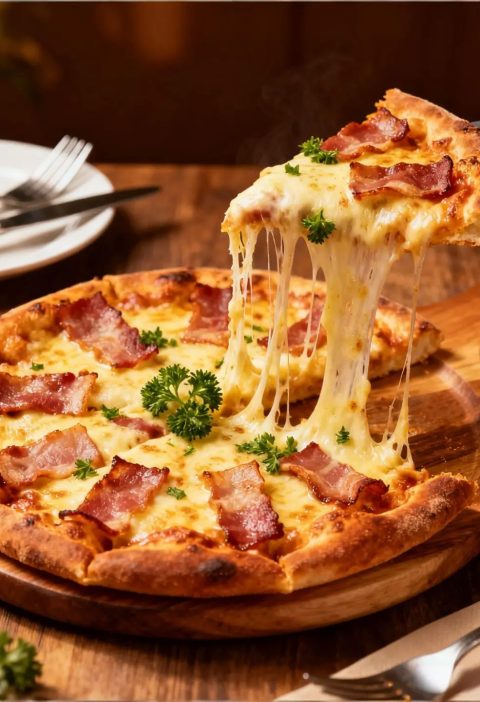
- On pizza: Important: add it after baking. If you cook it, the delicate flavor just disappears. Learned that the hard way.
- In pasta: Tear it into pieces and toss it in at the very end. Don’t cook it. Just let the heat of the pasta warm it up.
A few tips I learned the hard way
- Slice it paper-thin. The thicker you cut, the chewier and saltier it gets. Thin is everything.
- Never eat it straight from the fridge. I already made this mistake for you. Let it sit out for 15 minutes.
- Eat it within a day of slicing. Once it’s open and sliced, it dries out fast. Don’t save it for a week.
- Don’t trim the white fat. I used to do this. Big mistake. That fat is where the sweetness and texture come from.
- Wine pairing? Skip the heavy reds. Go with a light Italian white or Prosecco. The bubbles work really well.
How does it compare to other prosciuttos?
I’ve tried a few different types, so here’s the quick rundown:
- Prosciutto di San Daniele: From Friuli. Slightly sweeter and more delicate than Parma. Worth trying if you see it.
- Prosciutto Toscano (Tuscan): More herbs, stronger flavor. Less sweet, more savory.
- Generic prosciutto crudo: No protection, can come from anywhere. Quality varies wildly. Some are fine, some are crazy salty.
- Prosciutto cotto: This is just cooked ham. Like deli ham. Completely different thing. Don’t confuse them.
Where do you actually find the real stuff?
If you’re ever in Parma, Italy, go tour a prosciuttificio (that’s a curing facility). The local markets sell it freshly sliced, and it doesn’t get better than that.

Outside of Italy? Look for that crown logo on the package or on the leg itself. Any decent Italian deli will have it. Most good restaurants that serve antipasto will be using the real thing — but it doesn’t hurt to ask.
So, is it worth the money?
Look, I’m not going to tell you this ham is cheap. It’s not. But after everything I’ve learned and tasted, here’s my honest take:
Prosciutto di Parma isn’t just another cured meat. What makes it special is that nobody rushes the process. No shortcuts. No artificial additives to speed things up. Just pork, salt, time, and the unique air of that one specific region in Italy. The pigs are raised carefully. The artisans follow methods that have been passed down for generations. And in the end, you get something that tastes like… well, like patience, I guess.
Who should buy it?
If you’re someone who thinks ham is ham and you’re happy with the $5 pack from the supermarket — honestly, save your money. You probably won’t notice the difference.
But if you’re curious about food that’s made with real care? If you want to understand why people get excited about something as simple as a slice of pork? Then yeah, give it a try. Just remember what I learned: let it warm up, slice it thin, don’t trim the fat, and pair it with something light like melon or Prosecco.
My final verdict
For me? I’ll buy it again. Not every day — it’s too expensive for that. But for a weekend treat? When I want something special with a glass of wine on a lazy afternoon? Absolutely worth it.
Just look for that crown logo on the package. And don’t eat it cold. You’ve been warned.
Buon appetito! 🍈🍷