The first time I tried “real” Japanese ramen, I had no idea what I was doing. I walked into a tiny shop in Tokyo, stared at a ticket machine for five minutes, and finally just pressed a random button. A bowl showed up. I ate it. It was good. But honestly? I had no clue what I just ordered.
A few months and maybe fifty bowls later, I finally get it. Ramen isn’t just noodles in soup. But it’s also not this mysterious “culinary art form” that food writers love to hype up. It’s just… really good noodles. And once you know what to look for, it’s hard to go back to the instant stuff.

Where does ramen actually come from?
Here’s something I didn’t know until I looked it up: ramen isn’t originally Japanese. It came from China in the late 1800s — Chinese wheat noodles, brought over by immigrants. Japan took the idea, ran with it, and made it their own.
By the 1950s, ramen stalls were everywhere. Every region started doing its own thing. And now? You can’t walk two blocks in Tokyo without finding a shop that’s been perfecting the same bowl for forty years.

The broth is the whole deal
Forget the noodles for a second. The broth is what separates good ramen from “why did I bother” ramen. Here are the four main types you’ll see, ranked by how much I actually like them:
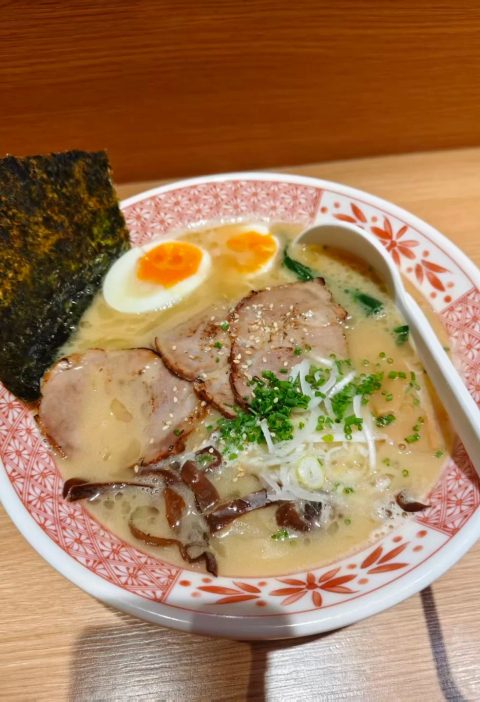
- Tonkotsu (pork bone) — This is the creamy white one. Looks like milk. Tastes like pork heaven. Boiled for 12+ hours until the bones basically dissolve. My personal favorite. If you’ve never had real ramen before, start here.
- Shoyu (soy sauce) — The oldest style. Clear, brown broth. Cleaner, lighter, but still savory. This is what most people picture when they think “ramen.”
- Miso — Thick, hearty, a little sweet. Popular up in Hokkaido, where it’s cold as hell. Great on a winter day. Not my go-to, but I get the appeal.
- Shio (salt) — The lightest one. Clear broth, subtle flavor. Honestly? Easy to mess up. If it’s done well, it’s delicate and beautiful. If it’s done badly, it’s just salty water. I usually skip it unless I trust the shop.
The noodles matter too
Ramen noodles have this weird ingredient called kansui — alkaline water that makes them yellow and springy. Without it, you’d just have regular pasta. With it? That bouncy, chewy texture that holds onto broth.

Toppings worth adding
- Chashu (braised pork belly) — This is the melt-in-your-mouth pork slice on top. Some shops nail it. Some serve dry, sad pork. A good chashu should fall apart when you pick it up.
- Ajitsuke tamago (marinated soft-boiled egg) — Pay extra for this. Seriously. The yolk should be jammy, almost runny, soaked in soy sauce. Worth every penny.
- Nori (seaweed) — The green sheet on the side. Eat it fast before it gets soggy.
- Menma (bamboo shoots) — Crunchy, a little sweet. Fine. Not life-changing.
- Corn and butter — This is a Hokkaido thing. Sounds weird. Works surprisingly well. Don’t knock it until you try it.
Does where you eat it matter?
Different parts of Japan do ramen differently. You don’t need to memorize all of them, but here’s the short version:
- Sapporo (Hokkaido) — Miso broth, curly noodles, often topped with corn and butter. Heavy. Great for cold weather.
- Hakata (Fukuoka) — The king of tonkotsu. Creamy pork broth, thin straight noodles. This is the style that blew up worldwide.
- Kitakata (Fukushima) — Clear shoyu broth, flat curly noodles. Less common outside Japan, but worth trying if you see it.
- Tsukemen — Noodles and broth served separately. You dip the noodles. Weird at first, but the broth is usually super concentrated and intense.

How to not look like a total beginner
A few things I learned the hard way:
- Slurp. I know, your mom told you not to. In Japan, slurping is a compliment. It cools the noodles down and brings air into the broth. Plus, it’s fun. Just do it.
- Eat fast. Ramen doesn’t wait. The noodles keep soaking up broth and getting softer. The first five minutes are the golden window.
- Drink the broth. Not all of it if you don’t want to, but finishing your bowl is a sign you enjoyed it. Some shops even have a “soup bar” where you can add more.
- Don’t ask for a spoon for the noodles. You eat ramen noodles with chopsticks, then pick up the bowl and drink the broth. Or use a Chinese-style spoon if they give you one. But don’t be the person trying to scoop noodles with a spoon.

So, is it worth the hype?
It’s a bowl of noodles in soup. But when it’s done right — when the broth is rich, the noodles are springy, and the pork melts on your tongue — yeah, it’s pretty great.
If you’re trying it for the first time, just go to a shop that looks busy, order the tonkotsu or shoyu, add an egg, and slurp loudly. Don’t overthink it.
And if you ever figure out how those ticket machines work without having to Google it first? Let me know.